
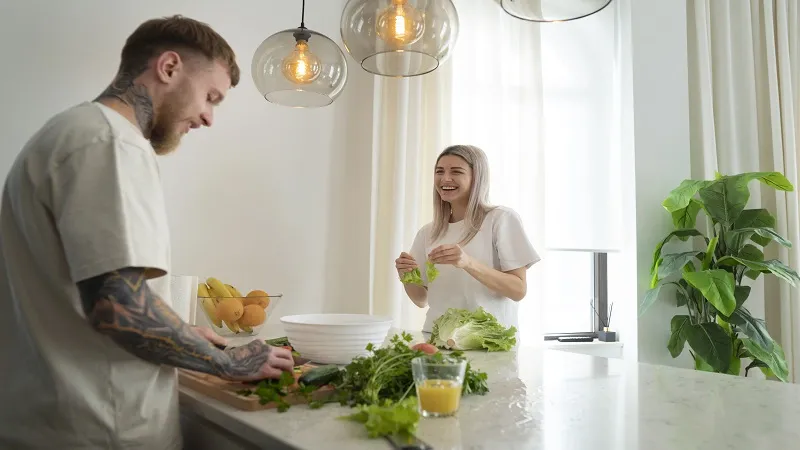
One grandiose change is not typically how to have a healthier home. It is more inclined to develop as a result of small habits which make everyday life calmer, easier, and more organised. When space, food habits, and family habits harmonize, it becomes less effort to make a healthy choice. That is important in hectic families where intentions are easily lost in the confusion.
This is not about doing everything perfectly.
- How calm spaces can make healthy routines easier to keep
- Why repeatable food habits often matter more than occasional ideal choices
- Where oral care fits into a realistic family wellness routine
Calm spaces make healthy routines easier to keep
An untidy surrounding has the ability to suck your strength away even before the day has started. Benches can become congested, bags can get lost, the bathroom can be in a mess, and even basic actions might seem more difficult to initiate. Such visual noise can contribute to stress and increase the chances of falling into routines. As time goes by, the home begins to become responsive, as opposed to being stable.
The positive news is that you do not have to reset all the way in order to notice the difference. A single functional area can simplify making healthy choices to repeat, be it a kitchen counter, an entry table, or a bathroom sink. Even minor adjustments made to decluttering to help improve mental health can help ease the friction and contribute to a more relaxed morning. You find it easier to maintain healthy habits when space is on your side rather than opposing you, when it becomes more familiar, more obvious, and easier to maintain on the hectic days.
Food habits shape energy, mood, and long-term well-being
It does not require strict food habits, which are useful. The meals, snacks, and drinks that you return to over and over again in most homes are the largest difference. Easy habits such as eating breakfast, having water beside the bed, and having a couple of scheduled easy dinners can aid in sustaining energy and mood. Perfection is not the goal, but a routine that is realistic enough to maintain.
Home cooking often works best when it removes decisions instead of creating more of them. Choosing a few repeatable meals and making health-focused cooking choices can make weeknights feel less rushed and more manageable. It also helps families rely less on convenience foods or sugary pick-me-ups. Over time, those small defaults can shape the tone of the home.
Sugar is one of those areas where frequency matters more than many people realise. Guidance on why free sugars are a major cavity risk factor also reminds us that regular sipping and snacking can affect teeth over time. That is why food routines and oral care routines often work best when they support each other.
Oral care belongs in a healthy-home wellness routine
It is not difficult to treat oral care as a separate matter, but it is natural to integrate it into the same system that the other family is glad to know about on a daily basis. It goes together with mealtimes, sleep patterns, preparation for school nights, and the arrangement of a bathroom area. In case the process of brushing and check-ups is regarded as a regular home activity, it is less likely that they will be omitted. That makes the routine not stressful.
A simple routine still does most of the heavy lifting for most households. Clear advice on fluoride basics for everyday dental care can help families understand why fluoride is often part of standard preventive care. Just as importantly, the basics still matter every day, including:
- brushing consistently
- watching frequent sugary snacks and drinks
- keeping regular dental check-ups on the family calendar
It is also understandable that many parents feel unsure when health advice sounds mixed or overly emotional online. The most useful response is usually to slow down, compare information calmly, and focus on what is practical for your household. If you want a broader explainer to read alongside mainstream guidance, the current fluoride debate offers one perspective in that wider conversation. Approaching the topic with context instead of panic makes better long-term decisions easier.
Family routines work best when they feel realistic
The healthiest family habits generally are those that do not need to be added to the life that you already live. They are not anchored on ideal mornings, unending determination, or a new schedule each week. Happy and balanced family life articles tend to revert to the same theme: support is important, and consistency is even more important than intensity. Even a handful of trusted anchors would do better than a melodramatic transformation that can never be sustained, particularly in families where the schedule and energy of the family change periodically.
It could be a bottle of water that is filled in the morning, doing a quick clean in the kitchen before sleeping, or a toothbrush timer that will help the children keep time. It could be packing in lunches every night and leaving toothpaste in places that a person can clearly see. These clues eliminate decision exhaustion and turn routines into shared, as opposed to imposed, commitments. The healthy habits can be maintained with ease on busy weekdays when the entire house is aware of the rhythm.
Small preventive habits reduce stress over time at home
Prevention should sound like a grand thing, but at home it may well be very mundane. It is the clean-up refillable bottle waiting in the refrigerator, the transparent bench that facilitates a breakfast, or the toothbrush already waiting in the sink. The little shopping habit is also the reason why sugary impulse purchases become less likely when a week is hectic. All these activities are not dramatic, but when combined, they lessen friction throughout the day.
This is the reason why it is better to think about systems, not about isolated tasks. Reduced stress leads to better food decisions, better food decisions lead to oral health, and regular routines make all things easier to repeat. Most families prefer ordinary habits that will silently work in the backdrop rather than the pursuit of perfection in wellness. The outcome is not an ideal home, but a home that makes people feel less stressed, less sick, and more manageable.
Conclusion
A healthier house is not commonly made by a few abrupt transformations and flawless design. You make less effort to follow up, make well-being often, without causing more pressure to already hectic schedules. A small system can also bring a lot of serenity in the long run, more so when the entire family is sharing the system.
- Calm spaces support better habits
- Repeated food patterns matter more than perfection
- Oral care belongs in everyday family wellness
- Small routines are easier to keep than dramatic changes