
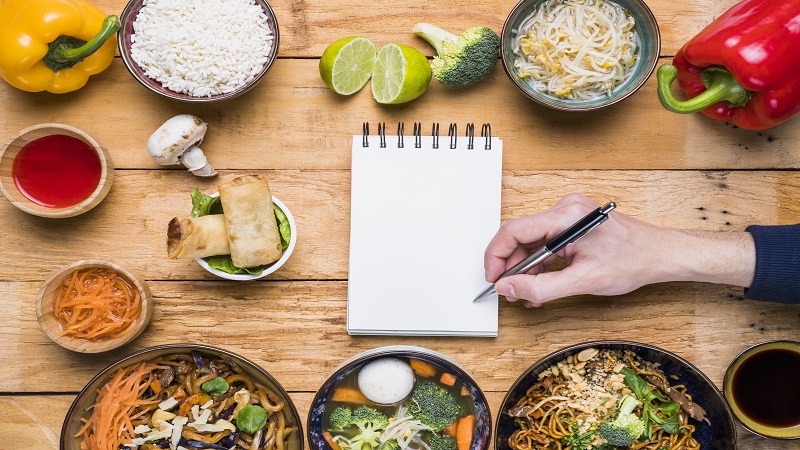
Writing a good recipe is more than listing ingredients and telling someone to cook them. A useful recipe should help readers understand what they need, what they should do, how long each stage may take, and what the finished dish should look or taste like. Whether you are preparing a family recipe, documenting a new meal, or creating cooking content, clear writing makes the recipe easier to follow.
When learning How to Write a Cooking Recipe Heartumental, the first goal should be clarity. Readers should not have to guess about measurements, cooking temperatures, preparation methods, or the order of steps. A well-organized recipe can make cooking more comfortable for beginners while also giving experienced cooks enough information to prepare the dish successfully.
How to Write a Cooking Recipe Heartumental With a Clear Introduction
Start every recipe with a short introduction that explains what the dish is and why someone may want to prepare it. Keep this section useful rather than filling it with unnecessary information. You can briefly describe the flavor, texture, meal occasion, or main ingredients.
For How to Write a Cooking Recipe Heartumental, a simple introduction can immediately tell readers whether the recipe is suitable for breakfast, lunch, dinner, dessert, or a special occasion. It can also mention whether the dish is quick, budget-friendly, family-sized, or suitable for beginners.
The introduction should create interest without becoming too long. Readers usually want practical information before they begin cooking, so keep the focus on the recipe itself.
How to Write a Cooking Recipe Heartumental by Listing Ingredients
The ingredient section is one of the most important parts of a recipe. Every ingredient needed for the main preparation should be included. Use specific measurements whenever possible, such as one cup, two tablespoons, or 250 grams.
When practicing How to Write a Cooking Recipe Heartumental, organize ingredients in the same order in which they will be used. This can make preparation easier because readers can quickly find what they need. If the recipe has separate components, such as a sauce and a main dish, divide them into clear sections.
Avoid vague instructions such as “add some flour” unless the amount genuinely depends on personal preference. Accurate ingredient information helps readers repeat the recipe and achieve more consistent results.
How to Write a Cooking Recipe Heartumental With Accurate Measurements
Measurements should be easy to understand and consistent throughout the recipe. Choose a measurement system and use it carefully. For example, if you begin with cups and tablespoons, avoid randomly switching between unrelated measurement styles.
Another important part of How to Write a Cooking Recipe Heartumental is explaining ingredients that may have different forms. If a recipe requires chopped onions, specify that the onions should be chopped before measuring when that distinction matters.
Accuracy does not mean every recipe must be complicated. Simple measurements are often better because they reduce confusion. If an ingredient is used in more than one stage, make that clear so readers know how much belongs in each part.
How to Write a Cooking Recipe Heartumental With Preparation Details
Preparation details can make a major difference in the cooking experience. Before the cooking steps begin, mention important preparation tasks such as washing vegetables, cutting meat, preheating an oven, or preparing a baking dish.
A helpful approach to How to Write a Cooking Recipe Heartumental is to identify anything that could slow the reader down if it is not explained in advance. For example, if butter needs to be softened, say so before the mixing instructions.
Preparation information should be placed close to the step where it becomes relevant. This allows readers to work through the recipe naturally without repeatedly returning to earlier sections.
How to Write a Cooking Recipe Heartumental With Step-by-Step Instructions
The main cooking instructions should follow a logical sequence. Begin with the first action and continue until the dish is complete. Each step should explain one clear task or a small group of closely related tasks.
Good How to Write a Cooking Recipe Heartumental writing uses direct language. Instead of saying, “The ingredients should then be mixed together,” write, “Mix the ingredients until combined.” Direct instructions are easier to scan while cooking.
Include important details such as cooking time, heat level, stirring requirements, and visual signs of doneness. These details can help readers understand what to do instead of relying only on a timer.
How to Write a Cooking Recipe Heartumental With Cooking Times
Cooking time gives readers a realistic idea of how long the recipe will take. If possible, separate preparation time from cooking time. This helps people plan meals more effectively.
In How to Write a Cooking Recipe Heartumental, cooking times should be practical rather than presented as guaranteed results. Different ovens, pans, ingredients, and cooking temperatures can affect the final result.
Whenever possible, include visual or physical signs of doneness. For example, vegetables may become tender, a sauce may thicken, or baked food may become golden on top. These signs are often more useful than time alone.
How to Write a Cooking Recipe Heartumental for Beginners
Beginners benefit from simple explanations and familiar cooking terms. If a specialized technique is necessary, briefly explain what it means. Avoid assuming that every reader already knows professional kitchen terminology.
An important principle of How to Write a Cooking Recipe Heartumental is to write for someone who may be preparing the dish for the first time. Explain unusual equipment, preparation methods, and important safety considerations when necessary.
However, avoid making the recipe unnecessarily complicated. A beginner-friendly recipe should be detailed enough to guide the reader while remaining easy to read.
How to Write a Cooking Recipe Heartumental With Helpful Tips
Helpful tips can improve the practical value of a recipe. You might explain how to prevent a sauce from becoming too thick, how to keep vegetables crisp, or how to avoid overcooking an ingredient.
When considering How to Write a Cooking Recipe Heartumental, only include tips that genuinely help with the recipe. Too many unrelated suggestions can distract readers from the main instructions.
Tips can also explain possible substitutions. If an ingredient can easily be replaced, mention a suitable alternative. Make it clear when a substitution may change the taste, texture, or cooking time.
How to Write a Cooking Recipe Heartumental With Serving Information
Serving information helps readers understand how much food the recipe produces. State the approximate number of servings and explain whether the quantity can be adjusted.
For How to Write a Cooking Recipe Heartumental, serving information should match the ingredient quantities as closely as possible. If the recipe serves four people, readers should have a reasonable expectation of the amount of food produced.
You can also include simple serving suggestions. For example, a main dish may work well with rice, bread, vegetables, or a fresh salad. Keep these suggestions relevant and optional.
How to Write a Cooking Recipe Heartumental That Readers Can Easily Follow
The final goal is to create a recipe that feels natural from beginning to end. Review every section and ask whether a reader could prepare the dish without needing to guess what you mean.
The best approach to How to Write a Cooking Recipe Heartumental is to use short paragraphs, descriptive headings, accurate measurements, and clear instructions. Avoid unnecessary repetition and remove information that does not help the reader cook.
It is also useful to test the recipe before publishing it. Following your own instructions can reveal missing ingredients, unclear steps, incorrect measurements, or unrealistic cooking times. If another person follows the recipe, their feedback can reveal areas that need improvement.
How to Write a Cooking Recipe Heartumental With a Strong Final Check
Before completing a recipe, check the ingredient list against every cooking step. Make sure every ingredient appears where it is needed and that no important preparation instruction has been forgotten.
When reviewing How to Write a Cooking Recipe Heartumental, also check spelling, measurements, cooking temperatures, serving sizes, and timing. A small mistake in one of these areas can make an otherwise excellent recipe difficult to follow.
Finally, read the recipe from the reader’s perspective. Imagine that you have never made the dish before. Would you know what to prepare first? Would you understand every measurement? Would you know when the food is ready? If the answer is yes, the recipe is likely clear and useful.
Conclusion
A successful recipe combines accurate information with simple writing. The goal is not to use complicated language but to make every important part of the cooking process understandable. A strong recipe normally includes a useful introduction, complete ingredients, accurate measurements, preparation details, step-by-step instructions, cooking times, serving information, and practical tips.
Learning How to Write a Cooking Recipe Heartumental becomes easier when you focus on the reader’s needs. Clear instructions reduce confusion and help cooks feel more confident in the kitchen. Whether the recipe is for a simple family meal or a more detailed dish, organization and accuracy should always come first.
With careful testing and editing, anyone can create recipes that are easy to understand and enjoyable to use. Good recipe writing is ultimately about turning cooking knowledge into instructions that another person can successfully follow.