
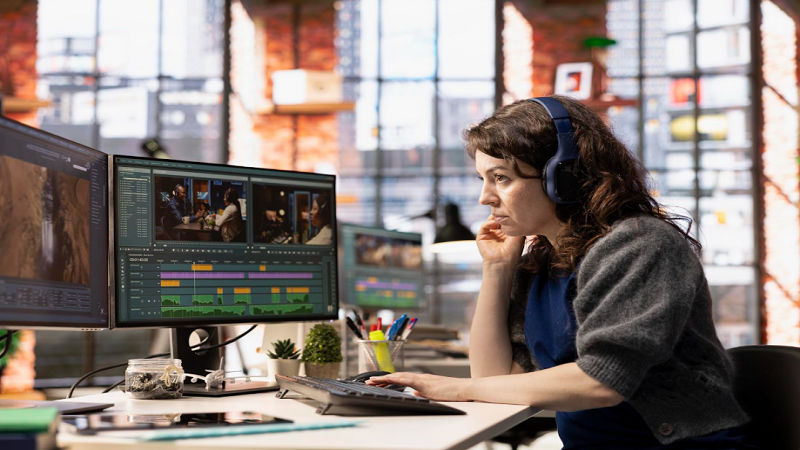
Creative direction’s never just one thing, it’s equal parts imagination, know-how, and getting stuff done. Making a commercial, short clip for socials, or something film-like? You’ve got to handle how it looks, the mood, rhythm, plus what feelings it stirs. As AI steps deeper into video work, folks keep asking, does it simplify things or pile on confusion? Tools like Kling AI built right into video are changing that chat, boosting creative power but still needing smart choices behind the wheel.
Instead of swapping out the creative lead, AI changes how things flow. By handling routine jobs on its own, it speeds up testing while letting artists see concepts right away. Yet there’s a catch: choices around cues, timing, consistency, or look now matter more. Getting how Kling AI reshapes creative control lets makers team up with smart tools without second-guessing every step.
What challenges do creative directors face in traditional production?
Creative lead on classic video shoots means juggling different groups, watching over recording sessions, keeping things uniform, while hitting due dates. Bosses usually face limited cash, hours, gear, and know-how, which can all be tight. Tweak something basic like light levels or camera framing? That might mean redoing scenes, more work hours, or patching it up later during editing.
This drags the creativity thing out. Directors juggle what they picture with real-world limits; some concepts get dropped since they cost too much or take forever. That gap between dream and actual? Hits hard when you’re working solo or with a tiny crew.
Folks using tools such as Kling AI can jump straight into making visuals without getting stuck on early ideas. Instead of waiting around, they shape thoughts into images quick-like. Some skip steps now thanks to smart helpers that speed things up a notch or two.
What’s the way Kling AI reshapes creativity right from the start?
Kling AI helps makers craft scenes, figures, or movement just by typing ideas or using example pictures. Because of this, there’s less hassle with real-world stages, lights, or heavy gear. Without hunting for spots or actors, team leads can spend time only on coming up with concepts.
This change makes creativity move faster. So now, creators try out several ideas in no time, shape them better, and see how the same plot could look in different ways. Apps such as Kling AI by Invideo let filmmakers play around with options while skipping typical hold-ups.
Fewer hours prepping means filmmakers whip up versions fast. That boost keeps ideas flowing while leaving room to tweak mood, timing, or look.
AI take away creativity or give more freedom?
Some artists worry AI could take away their freedom to create. But using Kling AI often brings more options instead. This app opens up new ideas because filmmakers can set the mood, shot angles, feelings, visuals, or plot pace by giving clear directions.
Directors gain the freedom to:
- Sketch out a few different ways to show it visually
- Experiment with diverse styles
- Adjust scenes instantly
- Change how things move or are positioned, however you like
AI doesn’t replace guidance; it actually boosts the leader’s role by bringing concepts to life faster. Ideas still spring from human imagination; tech just speeds up how fast they show up. With tools like these, thoughts turn visible quicker than before, yet the spark stays personal.
Because Kling AI reacts to how you shape your prompts, it works with you creatively instead of getting in the way.
How does VFX House improve precision and creative refinement?
Despite powerful AI making videos, people still want to speak in small parts. VFX House, running on Kling O1 inside iVideo, offers directors exact controls to tweak clips once they’re made.
They’re able to tweak light levels, shift shot angles, alter items in frame, and fix up images while keeping scenes consistent from one to the next. These tools act like classic visual effects steps, only they let regular folks use them, even if they’ve never done pro editing.
Filmmakers don’t have to waste time tweaking clips by hand; they fix shots fast now. That way, they keep their original idea alive without sacrificing quality. A lot of artists find it simpler and way more fun to work when tools handle some tasks, but still let them tweak things themselves.
Could AI shift how bosses see, look, and flow?
AI-made images might shift in look or feel, particularly with different prompts. Because of this, creative leads should watch closely for consistent styling so videos appear smooth and planned. Thanks to learning from example pictures, Kling AI keeps the visual tone steady through scenes.
Directors set a look once, then let AI copy it across scenes. That way, lighting won’t shift outta nowhere, textures stay on track. When brands use this, viewers feel more confident ’cause things appear familiar, steady.
AI lets leaders shape how things look, while keeping that vibe, no matter how many versions they make.
What makes lifelike movement improve guidance?
Motion shapes how good a scene looks, yet making it lifelike usually means hiring expert animators or buying pricey gear. Instead, Kling AI creates movement on its own by mimicking real-world physics. People in scenes walk fluidly, things fly along sensible routes, while changes between actions stay seamless.
This smooth motion lets creative directors worry less about tech details; instead, they can concentrate on feelings and rhythm. When a clip needs fast action or quiet, gentle moves, the system turns ideas into scenes that seem real and full of life.
This lets filmmakers craft deeper stories while skipping complex tech skills.
Does the Start and End Frame control give directors more flexibility?
Begin and end frames bring order, something creatives really appreciate. They pick where things start, then decide the finish point; from there, artificial brains handle movement in between. Think of it as a sketch plan that moves on its own.
Directors shape exact shots, shifts, or key instants clearly. That keeps pace and visuals under solid grip. Besides, it lines up clips with how the filmmaker wants each scene to feel.
This kind of accuracy helps AI-made work feel smoother while also sparking better ideas.
What’s the role of phone-based AI in shaping ideas while moving around?
Creative tasks don’t need a studio anymore. When moving around or hopping from one meeting to another, directors come up with ideas. With apps such as an AI video maker, shaping scenes on phones becomes doable.
Directors come up with ideas on the go, try out rough versions whenever, while working together with others, no matter where they are. Because of this freedom, projects move faster without losing creative spark. Tools powered by ai video generator help manage tasks from a phone or tablet, opening doors for solo creators or compact crews who need to stay agile.
Trying things fast means thoughts don’t sit around needing special gear or prep.
Conclusion
AI isn’t making creative choices tougher. Instead, it’s changing the job, so filmmakers gain greater control, adaptability while freeing up hours for actual story work. Tools such as Kling AI or VFX House inside video let creators see concepts right away, tweak shots accurately, keep visuals uniform, plus produce smooth movement with no tech headaches involved.
This gives filmmakers room to try wild ideas, dig into fresh approaches, while speeding up how fast visions become real. Rather than swapping out imagination, tech boosts it. For today’s creators, tools like Kling AI paired with InVideo open doors to bolder work done quickly. It shows that what’s ahead isn’t about man versus machine, yet a mix where both play strong roles together. See more