
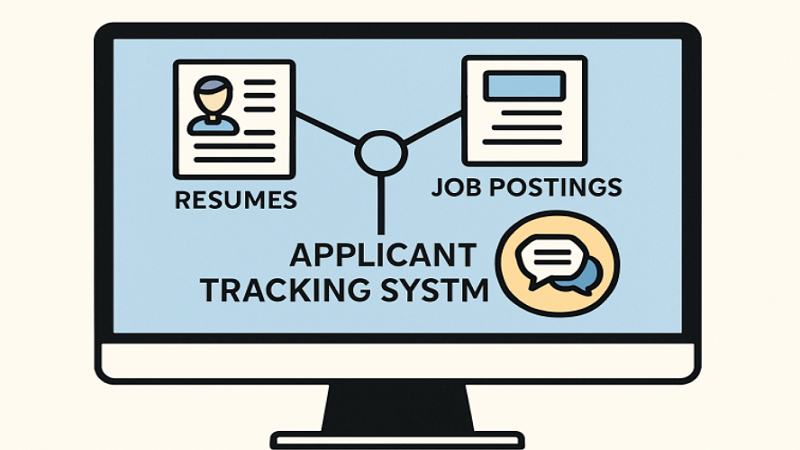
Technology is still transforming the recruitment sector as organizations strive to acquire the best talent. The key change here is the emergence of Applicant Tracking Systems (ATS) to automate and centralize hiring processes, making the process efficient and more data-driven. ATS platforms are transforming the way companies are doing talent acquisition, whether it is in terms of streamlining the process of managing the candidates or generating actionable analytics. In order to gain clearer insight into the meaning what is ats software and its effect on contemporary hiring, it is vital to examine the full benefits of the systems, including the pitfalls that accompany them.
ATS does not merely automate the administration functions of an organization; it will boost the general experience of the candidate and equip recruiters with more efficient selection instruments. The interactions between organizations and job seekers can be effectively promoted with the help of AI-based services and a multi-location storage of data with limited human intervention. With the realm of work shifting towards a fast digitalization, a good ATS is becoming a luxury to a competitive differentiator in the recruitment department.
Making Recruitment Processes More Centralized
Applicant Tracking Systems are used as a central command center for recruiting activities. They enable the HR departments to publish the vacancies on various platforms, handle communication, and save the profiles of the candidates in a single database that is easily accessible. This work is able to save unnecessary administrative work in addition to making sure that information that is important is not lost between systems. The centralization of such matters brings about efficiency that is particularly evident to organizations that deal with a large number of recruits or go through rudimentary growth. Besides, a single system will enhance teamwork. The hiring managers and recruiters can share notes, rank individuals, and all can monitor hiring progress. Such commonality reduces the number of broken communications and makes the process of posting through offer letters a smooth flow.
Improving Management of Candidates
One of the strongest opportunities of the modern ATS platform is the possibility to monitor all applicants during all stages of recruitment. The process of every candidate, starting with the first application to the final decision, is documented and gives the recruiters a chance to single out the best candidates and future talent matches for any new job openings. Having well-organized data, talent pipelines will not only be easier to sustain, but also an effective tool for actively seeking talent. Secondly, by being able to access candidate histories and interview feedback instantly, recruiters are able to make fairer and timelier decisions. Such a level of organization not only speeds up the hiring process but also enables it to comply with audit requirements and audit requirements because all interactions with the candidates are recorded and can be accessed.
Enhancing the Candidate Experience
Modern job-seekers demand a streamlined application process that is communicative in nature. Candidates are notified at each stage of ATS automation work through personalized email updates and self-scheduling tools. Such transparency develops a good brand image, which neither the candidates nor the entire organization is likely to feel neglected or annoyed due to the time taken to respond. ATS platforms also minimize applicant anxiety and maximize perception of a potential employer, unlike when they are subjected to “black holes” in the application process. As research issued by SHRM reveals, when companies invest in candidate experience, they will be benefiting themselves in terms of increased engagement and diversity of applicants.
Decisions based on Data in Hiring
In addition to being automated, ATS software offers excellent analytics and reporting scatter plots. Such tools monitor application virus to time-to-hire, giving organizations a great insight into what works- and what does not work. Through these analytics, HR teams will be able to identify areas where the bottlenecks are, ensure that the diversity metrics are followed, and see which job boards provide the highest returns. These data-driven tactics allow organizations to recycle and develop their recruitment strategies to achieve continuous improvement in the competitive labor market.
Problems and Issues
Although Applicant Tracking Systems have definite benefits, they have a number of difficulties. Relying too much on the keyword algorithms may result in shocking the highly qualified candidate who may not be keyword-optimized. This unwanted filtering will reduce the talent pool and bring about bias. Moreover, a case of full automation of the process of communication can make some applicants feel out of place with the hiring organization.
To address these concerns, recruiters are urged to regulate filter parameters regularly and to balance automation with human interactions – personal emails or quick calls – so that the human nature of hiring would remain. Constant review of ATS software and workflow procedures might assist organizations in deriving maximum advantages and minimal disadvantages.
Future Trends in ATS
Applicant Tracking Systems are associated with the future as an area of constant evolution in artificial intelligence and machine learning, as well as with interacting with the candidates. The future innovations will involve:
- Enhanced AI Implementation: AI will be more involved in filtering candidates by skills, experience, and soft characteristics to give a recruiter a better understanding of cultural fit and performance potential.
- Smarter Resume Parsing: Better natural language processing will make resume parsing more accurate and efficient, as well as person-job matching.
- Video-Based Assessments: Additional platforms will also feature video interviews, which are structured and provide a recruiter with a more versatile insight into communication and the ability to solve problems among the candidates.
- Social Platform Integration: Contentious ATS integration with LinkedIn, Twitter, and others will assist the recruiters in tapping into more diverse and larger amounts of talent.
- Mobile-First Approach: Use of smartphones and tablets to search and post jobs will be more flexible and accessible to both applicants and recruiters as mobile jobs become more common.
- Improved CRM Features: Better candidate relationship management abilities will enable the organization to develop good opportunities, including those not taken up immediately, to serve in the future.
- Analytics and Diversity Initiatives: The ATS-based data will be used in the work on structuring diverse and inclusive teams, and analytics will indicate the opportunities to develop them further.
Conclusion
The use of Applicant Tracking System has completely revolutionized the process of recruitment, making everything, from job advertising to seated positions, more efficient. Although they provide unmatched efficiency, compliance, and experience to the candidate, these platforms need to be used wisely to avoid unintended outcomes, including depriving a qualified candidate of a job opportunity or losing a personal relationship. Being mindful of the trends of the future and looking at making judicious and scientific improvements is bound to make organizations keep the most and most talented staff in the ever-changing market. See more