
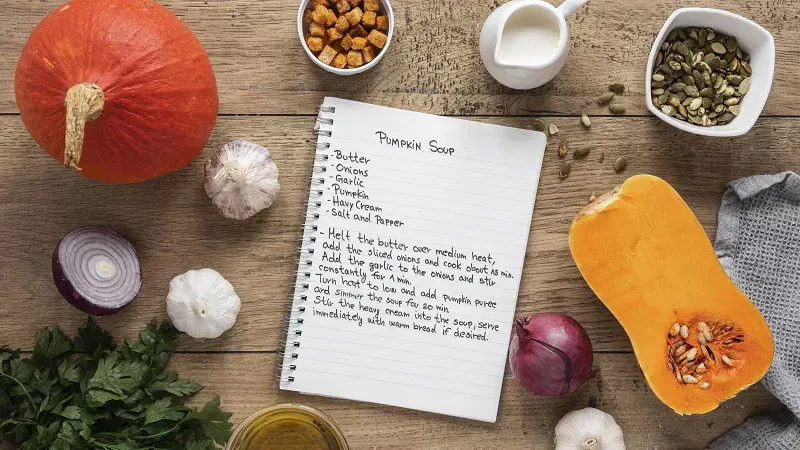
Dinner is an important part of the day because it gives families a chance to enjoy a satisfying meal together. A good dinner does not always need complicated ingredients, expensive products, or advanced cooking skills. With a few fresh ingredients and a simple plan, anyone can prepare a tasty homemade meal. This guide explains practical ideas, useful cooking methods, and easy meal combinations for people who want better dinners without unnecessary difficulty. The Dinner Recipe HearTuMental approach focuses on simple preparation, balanced ingredients, and enjoyable flavors that can fit different lifestyles.
What Makes Dinner Recipe HearTuMental Useful?
The idea behind Dinner Recipe HearTuMental is to make evening cooking easier and more enjoyable. Many people return home after a busy day and want food that can be prepared without spending hours in the kitchen. A simple recipe can save time while still providing a satisfying meal. Choosing recipes with familiar ingredients also makes grocery shopping easier and reduces food waste.
A useful dinner recipe should clearly explain what ingredients are needed, how much preparation is required, and how the food should be cooked. It should also provide enough flexibility for people to change ingredients according to their preferences. This makes everyday cooking less stressful and more practical.
Planning a Dinner Recipe HearTuMental Meal
Planning is one of the easiest ways to make dinner preparation smoother. Before cooking, check what ingredients are already available in the kitchen. Vegetables, rice, pasta, eggs, chicken, beans, and basic spices can become the foundation of many different meals. Planning also helps prevent unnecessary shopping and encourages better use of leftover ingredients.
When creating a Dinner Recipe HearTuMental meal, think about including a protein source, vegetables, and a suitable carbohydrate. For example, grilled chicken can be served with roasted vegetables and rice. A vegetarian meal might combine beans, mixed vegetables, and whole-grain bread. The goal is not perfection but creating a meal that is filling, flavorful, and suitable for the household.
Easy Chicken Dinner Recipe HearTuMental
Chicken is a popular choice for dinner because it cooks relatively quickly and works well with many seasonings. A simple chicken dinner can begin with boneless chicken pieces, garlic, onions, black pepper, paprika, and a small amount of cooking oil. The chicken can be marinated briefly before being cooked in a pan or oven.
For a complete Dinner Recipe HearTuMental idea, serve the cooked chicken with steamed vegetables and rice. Carrots, peas, bell peppers, broccoli, or green beans can add color and texture. A small salad can also make the plate more refreshing. This type of meal is easy to adjust depending on the ingredients available at home.
Vegetarian Dinner Recipe HearTuMental Ideas
A delicious dinner does not have to contain meat. Vegetables, beans, lentils, chickpeas, and grains can create satisfying meals. One simple option is a vegetable stir-fry made with onions, peppers, carrots, cabbage, and peas. These ingredients can be cooked quickly in a pan with garlic and mild spices.
Another Dinner Recipe HearTuMental option is lentil curry served with rice or flatbread. Lentils are practical because they are affordable, easy to store, and suitable for many styles of cooking. Adding tomatoes, onions, garlic, turmeric, cumin, and other spices can create a warm and flavorful dish without complicated preparation.
Quick Dinner Recipe HearTuMental for Busy Days
Busy evenings often require recipes that can be prepared quickly. Pasta is one useful option because it can be combined with vegetables, chicken, beans, or a simple tomato sauce. Another quick meal is an egg and vegetable skillet served with toast or flatbread.
The best Dinner Recipe HearTuMental choices for busy days usually have fewer ingredients and simple cooking steps. Preparing vegetables in advance can reduce cooking time. Cooked rice can also be stored safely and reused in fried rice or rice bowls. These small habits can make dinner preparation much easier during demanding weeks.
Healthy Dinner Recipe HearTuMental Choices
A healthy dinner can be simple and enjoyable. Instead of relying heavily on fried foods, consider baking, grilling, steaming, roasting, or lightly sautéing ingredients. Vegetables can be included in different colors to make meals more interesting and nutritious.
A balanced Dinner Recipe HearTuMental plate can include lean protein, vegetables, and a moderate serving of rice, potatoes, pasta, or whole grains. Portion sizes can also be adjusted according to individual needs. Drinking water with dinner instead of sugary beverages can be another simple choice for everyday meals.
One-Pan Dinner Recipe HearTuMental
One-pan meals are helpful for people who want fewer dishes to wash after cooking. Chicken, potatoes, carrots, onions, and bell peppers can be placed in one baking dish with seasoning and a small amount of oil. The ingredients can then be roasted until the chicken is cooked and the vegetables become tender.
This Dinner Recipe HearTuMental style is especially convenient because preparation and cleanup are both straightforward. The ingredients can also be changed easily. For example, potatoes can be replaced with sweet potatoes, while chicken can be replaced with chickpeas for a vegetarian version.
Family-Friendly Dinner Recipe HearTuMental
Family meals often need to satisfy different tastes. Mildly seasoned foods are usually easier to serve to a group because everyone can add extra seasoning or sauces to their own portion. Homemade burgers, baked chicken, vegetable rice, tacos, and pasta are examples of meals that can be adjusted for different preferences.
A flexible Dinner Recipe HearTuMental meal can also involve family members in preparation. One person can wash vegetables while another prepares the main ingredient. Children can help with safe tasks under adult supervision. Cooking together can turn an ordinary evening meal into enjoyable family time.
Budget-Friendly Dinner Recipe HearTuMental
Good food does not always require a large budget. Beans, lentils, rice, potatoes, seasonal vegetables, eggs, and pasta are useful ingredients for affordable meals. Buying ingredients that are in season can sometimes reduce costs while providing fresh flavors.
For a budget-conscious Dinner Recipe HearTuMental meal, choose ingredients that can be used in several dishes. A large batch of cooked beans, for example, can be used for soup, rice dishes, wraps, or salads. Planning meals before shopping also helps reduce impulse purchases and food waste.
How to Add Flavor to Dinner Recipe HearTuMental
Flavor comes from more than salt. Garlic, ginger, onions, herbs, spices, lemon juice, and fresh vegetables can make simple dishes more enjoyable. Toasting some spices briefly before adding other ingredients can also improve their aroma.
When preparing Dinner Recipe HearTuMental meals, experiment with small amounts of seasoning instead of adding everything at once. Taste the food while cooking when appropriate and adjust the seasoning gradually. This approach helps prevent overly salty or strongly seasoned meals.
Simple Side Dishes for Dinner Recipe HearTuMental
Side dishes can make a basic dinner feel more complete. A fresh cucumber and tomato salad is quick to prepare and works well with rice, chicken, or grilled foods. Roasted vegetables are another easy choice. Yogurt with herbs can also provide a cool and refreshing side.
A well-planned Dinner Recipe HearTuMental meal does not require many side dishes. One or two simple additions are usually enough to provide variety. Keeping sides easy also ensures that most of the cooking effort remains focused on the main dish.
Preparing Dinner Recipe HearTuMental in Advance
Meal preparation can make busy evenings much easier. Vegetables can be washed and chopped ahead of time, while some proteins can be marinated and stored safely in the refrigerator. Dry ingredients such as rice, pasta, and beans can be organized so they are easy to find.
Preparing ingredients in advance makes Dinner Recipe HearTuMental cooking faster and more organized. However, perishable foods should always be stored safely and used within appropriate time limits. Proper refrigeration and clean preparation surfaces are important parts of safe home cooking.
Common Mistakes to Avoid
One common mistake is beginning to cook without reading the complete recipe first. This can lead to missing ingredients or unexpected delays. Another mistake is using very high heat for every cooking method. Different ingredients require different temperatures and cooking times.
A successful Dinner Recipe HearTuMental meal depends on paying attention to basic cooking details. Measuring ingredients when necessary, checking cooking times, and tasting food appropriately can improve results. It is also important to make sure meat, poultry, eggs, and other foods are cooked safely before serving.
How to Make Dinner More Enjoyable
Dinner can become more enjoyable when the meal is served attractively. Simple presentation can make even an ordinary dish look appealing. Use clean plates, arrange vegetables neatly, and avoid overcrowding the plate. Fresh herbs or a small salad can add visual appeal without much extra effort.
The Dinner Recipe HearTuMental concept is ultimately about making everyday meals practical and pleasant. Food should not feel like a daily burden. With reasonable planning and simple recipes, cooking can become a relaxing and rewarding part of the evening.
Final Thoughts on Dinner Recipe HearTuMental
Preparing a good dinner is easier when recipes are simple, ingredients are practical, and cooking steps are clear. From chicken and vegetables to lentils, pasta, rice, and one-pan meals, there are many options for different tastes and budgets. Home cooking also gives people greater control over ingredients, portions, seasoning, and preparation methods.
The most useful Dinner Recipe HearTuMental ideas are those that fit real everyday routines. A recipe does not need to be complicated to be delicious. By planning ahead, using fresh ingredients, choosing suitable cooking methods, and keeping meals balanced, anyone can create enjoyable dinners at home. With practice, simple cooking can become a comfortable daily habit that brings convenience, variety, and satisfaction to the dinner table.